PPP Loan Fraud in New Jersey: Why These Cases Are Still Being Charged and What to Do
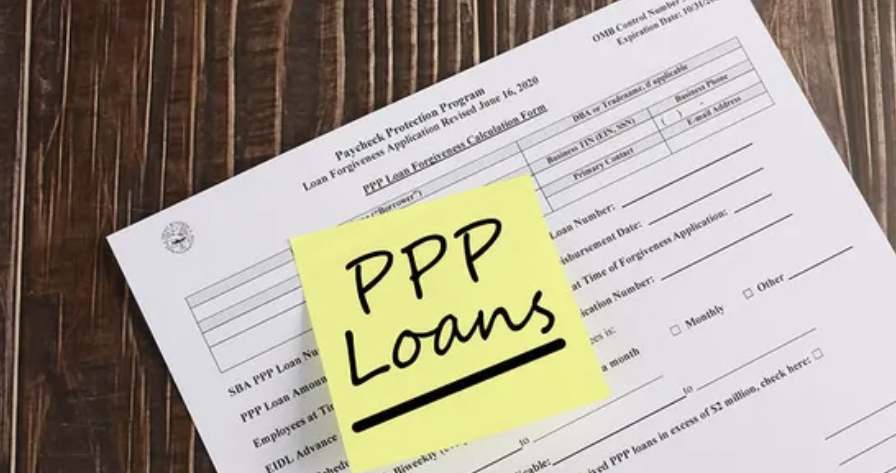
The Paycheck Protection Program ended years ago. Many business owners assume that means the government has moved on. It hasn’t.
Federal investigators are still working through pandemic loan files, and Congress gave them extra time to do it. If you received a PPP loan or an Economic Injury Disaster Loan (EIDL) and something in the application was inaccurate, it’s important to understand where things stand.
Key Takeaways
- PPP and COVID EIDL fraud can be charged up to 10 years after the loan.
- Cases often start with lender data reviews, loan brokers, or whistleblowers.
- Honest mistakes and reliance on a preparer can be real defenses.
- Talk to a lawyer before contacting the SBA, your lender, or federal agents.
The 10 Year Statute of Limitations
Most federal fraud crimes must be charged within five years. In 2022, Congress passed two laws that extended the limit to ten years for fraud involving PPP loans and COVID EIDL loans. For a loan taken out in 2020 or 2021, that means potential criminal exposure into 2030 and 2031.
Civil enforcement is also active. The Justice Department regularly resolves PPP cases through False Claims Act settlements, which can require repayment of multiples of the loan amount.
How PPP and EIDL Investigations Start
Lender and data reviews. Banks and the SBA flag applications with mismatched payroll figures, duplicate addresses, or business formation dates after February 15, 2020.
Forgiveness applications. Statements made to get a loan forgiven are reviewed against payroll and tax records.
Bank records. Loan money spent on cars, homes, travel, or cryptocurrency is easy for investigators to trace.
Preparers and brokers. Many cases start when the government charges a loan broker or “consultant” who prepared hundreds of applications. Their clients come next.
Whistleblowers. Employees, former partners, and even family members report suspected fraud.
The Charges Prosecutors Use
Most cases end far below those maximums, but the numbers show how seriously the government treats these loans.
Common Problems in PPP and EIDL Files
- Inflated payroll or employee counts
- Fake or altered tax documents, such as IRS Forms 941 or Schedule C
- Businesses that weren’t operating before the program’s eligibility date
- Multiple loans for the same business or through related entities
- Loan money used for personal purposes instead of payroll, rent, or utilities
- False certifications in forgiveness applications
Not Every Mistake Is a Crime
The pandemic programs were rolled out quickly. Rules changed, guidance was confusing, and many owners relied on accountants, brokers, or online platforms to fill out forms. Errors were common.
The government must prove you knowingly made a false statement. Reliance on a preparer, confusion over changing SBA guidance, and honest misunderstandings about how payroll was calculated can all be real defenses. Repayment doesn’t automatically end exposure, but how and when it happens can matter a great deal, and it should be planned with counsel.
What to Do If You Are Contacted
1
Don’t call the SBA, lender, or agent to explain. Statements you make can be used against you or treated as new false statements.
2
Don’t move or spend remaining loan funds in ways that look like hiding them.
3
Gather your records. Your application, payroll records, bank statements, tax filings, and any communications with your preparer or lender will be central to the case.
4
Talk to a federal defense lawyer before you respond. A lawyer can find out whether the matter is civil, criminal, or both, and whether there is a path to resolving it without charges.
Frequently Asked Questions
Can I still be charged for a PPP loan from 2020?
Yes. Because of the 10 year statute of limitations passed in 2022, PPP fraud from 2020 can be charged until 2030.
If I pay the loan back, does the investigation go away?
Not automatically. Repayment can help, especially in civil resolutions and at sentencing, but it does not erase a completed crime. Talk to a lawyer before making any repayment decision tied to an investigation.
My accountant filled out the application. Am I still responsible?
You signed the certifications, so the government will look at you. Reliance on a professional can be a strong defense if you gave them accurate information and trusted their work in good faith.
Is a PPP case handled in state or federal court?
PPP and EIDL fraud is almost always prosecuted federally, usually by the U.S. Attorney’s Office for the District of New Jersey.
Talk to a New Jersey PPP Fraud Defense Lawyer
LGR Law represents business owners and individuals in federal bank fraud and loan fraud investigations throughout New Jersey and New York. Lorraine Gauli-Rufo has more than 30 years of federal criminal defense experience.
Call 973-239-4300 or contact us online for a confidential consultation.
This article is for general information only and is not legal advice. Reading it does not create an attorney client relationship.
Next
© Copyright 2026 LGR Law LLC. All rights reserved.
Digital Marketing By 
*Images are obtained under license from Canva and other third-party stock image providers, with attribution included where required.